Zoey has really taken to blogging. She asked me to help her create a blog just for and about her and other canines. She says she wants to spotlight dogs like her. So there is no time like the present to start the New Year off with www.Zoeytherescue.blogspot.com


Zoey wants to remind you that there are tons of animals that need a FUREVER home. Also shelters need donations not only monetary but many other items too. She says to take in consideration that there are lots of humans who donate to wonderful, much-needed causes to help humans but there is not enough humans that donate to help save animals.


Disclaimer: All content provided on this blog is for informational/entertainment purposes only. I make no representations as to the accuracy or completeness of any information on this site or found by following any link.


Showing posts with label Consumer Reports. Show all posts

Tuesday, April 12, 2022

 repurposed from Facebook post: 

Consumer Reports, April 11, 2022

While it may seem like dogs can sleep just about anywhere, it’s important to make sure they have their own comfortable bed that suits their individual needs. If you have a senior dog, you’ll want to make sure that their joints are supported, as they are going through the same aches and pains that humans experience as we grow older #NationalPetDay For more info on finding the right dog bed for your pup, head to our site: https://www.consumerreports.org/pet-products/how-to-find


Thursday, March 12, 2020

Cleaning Products That Destroy Coronavirus

Mama thought it would be a good idea for me to post the article below. She found it on her Facebook page. Stay safe everyone!

Woof, woof, till later, 
Zoey


These Common Household Products 

Can Destroy the Novel Coronavirus
Consumer Reports shows you how to use them and tells you which products to stay away from

A gloved hand using a disinfectant wipe to clean a faucet.

Wednesday, June 5, 2019

How a Tick Bite Can Give You a Red Meat Allergy

Scientists think that lone star ticks can induce an allergy to red meat. Here's how to protect yourself.

Consumer Reports, by Catherine Roberts, last updated: May 09, 2019

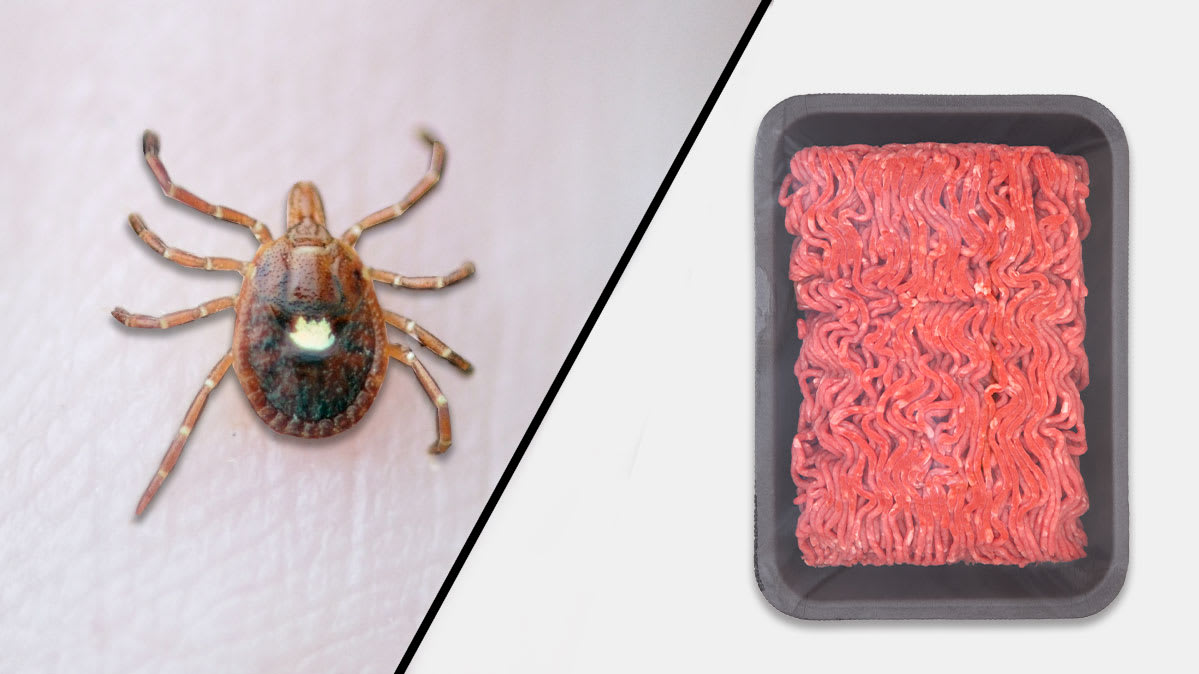
A close-up of a lone star tick, and an image of ground beef.


Most of us worry about Lyme disease or Rocky Mountain spotted fever when getting a tick bite. But different species of ticks can transmit a variety of diseases—and at least one very unusual ailment, scientists have learned: an allergy to red meat.

A growing body of evidence shows that the lone star tick—most prevalent in the southeastern U.S.—could be the cause of an allergy to a carbohydrate known as alpha-gal, which is found in red meat.

Scientists aren’t sure just how common this allergy is. But lone star ticks are spreading—their habitat now extends from the Southeast almost all the way to the Canadian border—which means more people may encounter them. Scientists who study the alpha-gal allergy estimated back in 2013 that more than 5,000 people in the Southeast U.S. alone could have the allergy.

A 2018 study in the Annals of Allergy, Asthma & Immunology suggests that a meat allergy caused by ticks may be more common than previously known, and could explain some previously unexplained cases of severe allergic reactions.

Here’s what you need to know about this allergy.

What Recent Research Reveals

Initially, scientists connected the dots between lone star ticks and meat allergies because of overlap between the geographic areas where the tick and the allergy were most common, according to an analysis published earlier this year in Annals of Allergy, Asthma & Immunology. Other studies showed that people who had the allergy tended to have a history of being bitten by ticks, or worked in jobs where they were likely to be exposed to ticks.

And in two recent cases reported in The Journal of Allergy and Clinical Immunology: In Practice, people who had an allergic reaction to red meat developed hives around the area where they had been previously bitten by a tick.

The 2018 study looked at just one allergy clinic in Tennessee, and found that in cases where they were able to pinpoint the cause, the alpha-gal allergy was behind about a third of anaphylaxis (severe allergic reaction) cases seen there between 2006 and 2016. That’s more than were caused by food allergies to peanuts, shellfish, or others, the researchers found.

Study author Jay Lieberman, M.D., associate professor at the University of Tennessee Health Science Center and vice chair of the American College of Allergy, Asthma and Immunology Food Allergy Committee, is quick to point out that these results do not mean that a third of severe allergic reactions nationwide are due to the effects of lone star tick bites, or that alpha gal is the number one cause of anaphylaxis in the country.

But Lieberman says the clinic has performed similar analyses in previous years, before the alpha-gal red meat allergy was discovered. In those earlier studies, doctors weren’t able to determine a cause for a greater percentage of anaphylaxis cases.

The newer study suggests that a significant number of those earlier cases with an unknown cause may actually have been due to this recently discovered allergy.

Understanding Meat Allergies
It’s not entirely clear to scientists why a bite from a tick could cause a person to develop an allergy to red meat, Lieberman says, or how common such an allergy is. And it doesn’t happen to everybody who’s bitten.Only some people who’ve been bitten by lone star ticks will develop the antibodies that indicate a possible allergy to alpha-gal, a substance in red meat. Of the people who do develop those antibodies, Lieberman says, some won’t ever show symptoms of an allergic reaction to red meat.

There’s also an intriguing difference between the alpha-gal red meat allergy and every other type of food allergy. Typically, allergic reactions to food occur immediately after exposure, within a few minutes. With an alpha-gal allergy, however, a reaction typically doesn’t start until several hours after eating red meat—which can make it challenging to pinpoint the culprit.

Researchers first linked tick bites to red meat allergies almost a decade ago. But there are still a lot of questions left to answer about why some people develop the allergy and some don’t, how many people have been affected, and why the reaction to red meat is delayed, rather than immediate.
What to Watch For
Early signs of anaphylaxis may include a metallic taste, burning, tingling, or itching of the tongue or mouth, headache, and feelings of fear or confusion. A reaction can progress quickly, and severe symptoms include throat swelling, difficulty breathing, vomiting, diarrhea, and more.

If you think you may be experiencing anaphylaxis, even if you’ve never had an allergic reaction before, you should call 911. (If you know you have an allergy to food, and you experience symptoms of anaphylaxis, especially trouble breathing, wheezing, or throat swelling, you should use an epinephrine auto-injector if you have one.)

When the reaction is under control, talk to your doctor about whether red meat could have been the cause of your symptoms, since some doctors may not be aware of the alpha-gal allergy, suggests Princess Ogbogu, M.D., division director of allergy and immunology at The Ohio State University Wexner Medical Center.

There’s no cure for red meat allergy, so if you’re diagnosed, you’ll need to avoid the foods that trigger a reaction. Commonly, that includes various kinds of red meats. But some people can also become sensitive to other items that contain alpha-gal, including dairy, and even, rarely, sweets that contain gelatin or medications derived from animal byproducts.

In some cases, Lieberman says, if people who’ve developed alpha- gal allergies avoid all future tick bites from lone star ticks (or the varieties that cause the allergy in other countries), their levels of the antibodies to alpha-gal may diminish, and the allergy could subside. It’s unknown how common this is, however.

About the Lone Star Tick
Lone star ticks, so named for the white splotch on the backs of adult females, are most common in southern and eastern states. Like other ticks, however, their geographic distribution is expanding, according to Ellen Stromdahl, a retired entomologist from the tickborne disease laboratory of the U.S. Army Public Health Center in Aberdeen Proving Ground, Md.

Lone star ticks don’t cause Lyme disease, as a recent analysis that Stromdahl conducted shows. But along with spreading the alpha-gal allergy, they can also transmit the bacteria that cause another disease called ehrlichiosis. Ehrlichiosis can cause fever, muscle pain, nausea, vomiting, and, rarely, rash. It’s fatal in about 1.8 percent of cases, according to the Centers for Disease Control and Prevention, although it can be treated with antibiotics.

A lone star tick is much less likely to carry ehrlichiosis than a blacklegged tick is likely to carry Lyme disease, notes Stromdahl. But lone star ticks are much more aggressive than other common types of ticks in the U.S. “You’re more likely to be mobbed by lone star ticks,” she says, and finding multiple bites is common if you’ve been in their habitat.

Protect Yourself From Ticks
As with any tick bite, it’s important not to panic if you discover one, Lieberman says. “The vast majority in this country and elsewhere who get bitten by ticks don’t develop alpha-gal allergy,” he says.

Still, you can take reasonable precautions to protect yourself from ticks and the diseases—or allergies—they can cause. Here’s what to do:

Wear an effective bug spray if you’re going to be in an area where ticks are common. Lone star and other types of ticks prefer wooded areas, brush, and long grass. Consumer Reports’ insect repellent testing has found that products containing 25 to 30 percent deet provide the most reliable protection. (Check out our top-rated repellents.)

Dress carefully. Wear long pants and long sleeves, and tuck your pants into your socks. Wearing clothing commercially treated with the pesticide permethrin, or treating your clothes and gear with permethrin yourself, is also a good option for additional protection.

Check yourself for ticks at the end of every day you’ve been out in their territory. Taking a shower soon after you come in is a good opportunity to wash away any ticks that may be crawling on your skin without having yet bitten you, and to carefully look for any that have attached. If you find them on you, remove them properly.

Be careful with the clothes you were wearing in tick habitats, Stromdahl recommends. Run them through a cycle in a hot dryer to kill any ticks that may be clinging on, and leave your shoes outside in the sun.



Friday, May 10, 2019

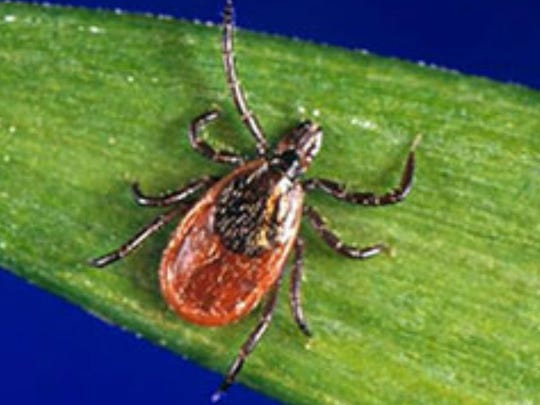
Be careful of ticks...


Boy was my mama scared when she saw this on my face so close to my tear duct. She tried to remove it but it wouldn't budge! She and Dad were not certain it was a tick until they took me to the vet. As soon as the vet removed it you could clearly identify it as a disgusting tick. Yuck! Now I am getting extra cheese (which makes me happy) to hide the antibiotic pills that I have to swallow for two weeks. The vet was glad to hear that Mama started my K9 Advantix in April and I am up-to-date with my vaccines.

Mamma has to investigate bug repellent because this is a serious tick season due to the warm winter and wet spring last year (according to researchers at Rutgers). Thank goodness the vet said we should continue to go on our hikes, we just have to spend extra time protecting ourselves.

It is a jungle out there...be extra careful canines and humans. Enjoy Spring!


Woof, woof, till later, 

Zoey


Mild winter, wet 2018 may cause surge in ticks in NJ, Northeast
blacklegged-tick1-e1527875506972.jpg

A mild winter coupled with an excessively rainy 2018 may lead to a surge in the number of ticks capable of transmitting Lyme disease this spring, according to researchers at Rutgers University.

https://www.northjersey.com/story/news/environment/2019/03/14/nj-weather-warm-winter-may-prompt-more-ticks-spring/3131637002/


Tips on avoiding a tick bite
1. Keep grass short and underbrush thinned at your home.
2. Apply EPA-registered insect repellent on your skin, clothing, boots and camping gear when outdoors to prevent ticks from getting on your body.
3. Wear light-colored clothes to help you spot ticks easily.
4. Tuck pants into socks to keep ticks from getting under your clothes.
5. Check your body for ticks and shower within two hours of being outdoors.
6. If you find a tick, carefully remove it with fine-pointed tweezers. Grasp it by the mouth parts closest to the skin and pull it steadily outward. Do not use petroleum jelly, noxious chemicals or hot objects. The sooner the tick is removed, the less likely it is to transmit disease.

 
Below is some information about human repellent reprinted from Consumer Reports. Please click on the link if you are interested in reading the entire article by Jeneen Interlandi, last updated on April 24, 2019. 

https://www.consumerreports.org/insect-repellent/how-safe-is-deet-insect-repellent-safety/


How Safe Is Deet? 
Despite assurances about the chemical, consumer concerns persist. Is there a reason to worry?

Deet is the most widely used insect repellent in the U.S. It has been around longer than any other active ingredient, and many scientists say it’s the gold standard for all repellents.

Consumer Reports' testing has consistently ranked deet-based products among the top performers, and our experts agree with the broad scientific consensus that the chemical is safe and effective when used as directed.
Still, many consumers have reservations about using it, and many readers ask Consumer Reports every year about it. Is deet really safe? How do we know? What about all the reports of deet-related illnesses, injuries, and even deaths?

If you’re worried—or just wondering about—the potential downsides of choosing a deet-based repellent, you're not alone. A 2018 Consumer Reports nationally representative survey of 2,052 adults found that 25 percent of Americans said they avoid using insect repellents with deet. And about a third said they thought repellents containing deet are not as safe as those that don't have the chemical.

CR reviewed the scientific literature and spoke with scientists who have studied the chemical. Here’s a rundown of what the research shows and what you need to know.

What Exactly Is Deet?
Deet (known to chemists as N,N-Diethyl-meta-toluamide) is a yellowish liquid that, when applied to skin or clothing, repels a number of biting insects, including mosquitoes, ticks, and fleas. The chemical was created by USDA chemists in the 1940s for use by the U.S. military. It has been commercially available since 1957 and has since become commonplace.

Deet is a true repellent: It protects not by killing mosquitoes or other insects but by preventing them from landing on skin or clothing in the first place. How exactly the chemical achieves this feat has been a bit of a mystery to scientists.

One long-held theory is that deet blocks an insect’s ability to smell human sweat and breath. More recent research suggests a different, simpler explanation: The compound just smells incredibly bad to most bugs, so much so that they avoid all contact with it.

Is Deet Safe?
The balance of evidence indicates that deet is safe when used as directed. There are a few things to keep in mind when considering reports to the contrary:

1. The overall incidence of deet poisoning is very low. In 1998 the Environmental Protection Agency conducted a definitive assessment of the chemical. The agency turned up 46 seizures and four deaths that were potentially linked to deet exposure. It estimated that since 1960, the incidence of seizures with a potential link to deet exposure was one per 100 million uses. 

2. Most of those reported cases involved a misuse of deet products.Ingestion or “dermal application not consistent with label instructions” was the most common source of potential deet toxicity, according to the EPA report. The agency concluded that when consumers followed product-label instructions and took reasonable precautions, the health risks of deet essentially vanished.

3. A vast majority of cases of deet toxicity are mild. In another seminal analysis, researchers looked at more than 9,000 calls made to poison control centers between 1985 and 1989. They found that nearly 90 percent of the injuries were treated at home, and that of those people referred to health centers, 80 percent were discharged after an examination. A second analysis of more than 20,000 calls made between 1993 and 1997 found similar results.

4. There is no reliable evidence that deet causes cancer. Neither the Department of Health and Human Services nor the EPA's Office of Pesticide Programs has classified deet as a carcinogen. According to the Centers for Disease Control and Prevention, animal studies have not found an increase in tumors in research subjects who were given oral deet tablets or who had liquid deet applied to their skin. A Swedish study did find that men who used insect repellent for 115 days or longer faced an increased risk of developing testicular cancer. (A majority of repellents contained deet at the time of the study.) But the CDC says that the study was flawed and that the results were not conclusive.

Find more information regarding risk for the environment, children, and pregnant women. Also tips for safe use by clicking on the link above. 

Alternatives to Deet
If you still can’t bear to put deet on your skin (some people say it smells terrible, others that they will never trust the chemical no matter what anyone tells them), there are other effective repellents to consider:

Picaridin--Picaridin is a repellent that was modeled after a molecule found in pepper plants. It has been on the U.S. market since 2005 and has done well in Consumer Reports’ tests. Specifically, spray products with at least 20 percent picaridin have worked as well or better than some deet-based ones. Not as much research has been done on picaridin as on deet. But the data that does exist indicate that the chemical is safe, and the World Health Organization and the CDC recommend picaridin.

Oil of Lemon Eucalyptus (OLE)--Oil of lemon eucalyptus is another active ingredient that’s done well in CR's tests (especially at concentrations of 30 percent). OLE is registered with the EPA as a biopesticide, meaning that products containing this ingredient are subject to at least some testing for safety and efficacy. To be sure, the requirements for biopesticides are more lax than they are for synthetic products like deet and picaridin: OLE is not recommended for children younger than 3. But for everyone else, when used as directed, our experts agree with the CDC and EPA that it's safe and works well.


Monday, January 14, 2019

Reprinted from FB / Consumer Reports / February 10, 2018 /Julia Calderone 

Browse the aisles at your local pet store, and you might notice an increasing number of foods touted as having raw ingredients.

Raw diets have been growing in popularity as some consumers have become convinced of the purported benefits—from shinier coats and cleaner teeth, to a longer life. Sales of raw frozen and refrigerated pet foods in the U.S. grew by 263 percent from $43.7 million in 2011 to $158.7 million in 2017, according to market research firm GfK.

But raw food diets are controversial, and many veterinarians and public health officials are warning consumers about the potential dangers of these diets.

Some of these products contain raw organ or muscle meats and whole or crushed animal and fish bones. Others are more akin to a raw vegetarian diet, including unpasteurized milk, uncooked eggs, as well as raw fruits, grains, and veggies.
Some vets say these combinations may not be nutritionally balanced. And because the ingredients are uncooked, they may be a source of bacteria and other pathogens that can cause foodborne illness to pets and people.
If you’re thinking about putting your pet on a raw food diet, here’s what you need to know.

The Risk for Your Pet

Public health agencies such as the Food and Drug Administration (FDA) and the Centers for Disease Control and Prevention (CDC)—as well as the bulk of veterinarians and professional vet organizations—all warn against feeding pets raw food. 
“These diets could expose animals and humans to dangerous bacteria such as Salmonella, E. coli, and Campylobacter,” says Michael San Filippo, a spokesman for the American Veterinary Medical Association (AVMA).
The FDA is concerned about the public health risks of raw diets, according to a statement on the agency’s website. Scientists from the FDA's Center for Veterinary Medicine (CVM) analyzed in a 2014 study 196 frozen raw cat and dog food samples they purchased online. Fifteen tested positive for Salmonella, and 32 contained Listeria monocytogenes.
In a study published last month in the journal Vet Record, Dutch researchers found that 28 of 35 commercial frozen raw meat-based diets from eight different brands were tainted with antibiotic-resistant E. coli bacteria. Eight samples tested positive for E. coli O157:H7, a particularly nasty strain that, in humans, can cause bloody diarrhea, abdominal pain, and possibly lead to kidney failure and death. (This strain was responsible for a recent food poisoning outbreak in the U.S. and Canada linked to leafy greens.) Samples also tested positive for Listeria and Salmonella.
Raw food manufacturers try to minimize this risk, but it can be challenging.  
Michael Vogel, co-owner of Smallbatch Pets—a raw pet food company that recently recalled two lots of its raw frozen chicken blend for dogs and cats due to potential contamination with Salmonella—says the company is trying to solve the problem of bacterial contamination by sourcing "the highest quality, human grade, USDA-inspected cuts of meats available to us."
Bette Schubert, a co-founder and senior vice president of sales and education at Bravo, another raw pet food manufacturer, says the company follows strict safety protocols, such as sourcing high-quality ingredients, keeping the facilities clean, and treating and testing the products before they go out the door. 
Some raw pet food advocates say the risks of foodborne illness are overblown because people know to be careful handling raw meat. And there's disagreement about how much risk the pathogens pose to pets.
"Dogs and cats are biologically designed to consume raw meat," Vogel says. "Their dentition, saliva, extremely acidic stomach acid, and short digestive tracts are optimized for consuming raw meat that may contain pathogens."
But while it's true that "dogs are a little bit less sensitive to bacteria than people," says Martine Hartogensis, D.V.M., a supervisory veterinary medical officer at the Office of Surveillance and Compliance at the FDA/CVM, "they can still get sick from it.” Symptoms in both cats and dogs include diarrhea, vomiting, fever, and lethargy.

The Risks for You

Even if pets don’t become ill, they can still transmit these bacteria to their owners.
Authors of a 2017 study published in the journal BMC Veterinary Research found that, compared to dogs given commercial diets, those fed raw food are about 23 times more likely to shed Salmonella organisms in their feces. This can pose a risk to you when you’re cleaning up after them, says Lisa M. Freeman, D.V.M., Ph.D., a professor of clinical nutrition at the Cummings School of Veterinary Medicine at Tufts University.
Your pet can also transfer the bacteria to you in other ways, she says, by licking your face after eating, or by scratching you after stepping in their own feces. Petting your dog or cat can expose you to bacteria, too, if some of the raw food or their feces gets stuck on their coat.
And if you don’t follow proper food safety practices while preparing raw food for your pet, says James E. Rogers, Ph.D., director of food safety research and testing at Consumer Reports, you can accidentally infect yourself.
“Since you’re not eating the pet food, you may not think you have to take the same care to wash your hands or the utensils you use,” says Rogers. “But you can easily get sick if you touch your mouth after being in contact with contaminated food, surfaces, or utensils.”

When You Don't Know It's Raw

In addition to frozen or fresh raw meat or meat and vegetable blends, raw foods for pets come in freeze-dried or dehydrated forms. “Most people don’t realize that bacteria can survive the process of freeze-drying,” says Rogers.
Some products may even appear to be conventional dry pet food, says Freeman at Cummings School of Veterinary Medicine, but may have a raw meat coating or may be mixed with freeze-dried raw chunks.
“These foods usually say ‘raw’ somewhere on the label,” says Freeman, “but it's not always obvious.”
Dried or freeze-dried rawhide chews, pig ears, cattle hooves, hearts, tracheas, and bull or steer penises (often called bully or pizzle sticks) can also be contaminated with Salmonella and other bacteria, she says. The FDA in November updated a warning about bone treats after about 90 dogs became ill after eating them between 2010 and 2017. In addition to symptoms such as choking, intestinal obstruction, and cuts and wounds in the mouth, illnesses also included vomiting, diarrhea, and rectal bleeding. About 15 dogs died.
At least nine people in the U.S. and Canada were sickened between 2004 and 2005 with Salmonella after feeding their dogs raw beef and salmon pet treats. And a large Salmonella outbreak in Canada in 1999 was linked to raw pig ears.

Questions About Nutrition

Advocates for raw food diets, especially those who sell them online, claim a range of benefits for pets, including fresher breath, more energy, and better overall health. But, says AVMA’s San Filippo, “there is no scientific evidence to support claims that raw food diets are better for pets than commercial diets.”
In fact, studies have found that raw food diets—both prepackaged and home-prepared—may not offer a healthy balance of nutrients for your pet, especially for growing puppies and kittens.
In a 2011 study published in the British Journal of Nutrition, European researchers found that of 95 homemade raw meals for dogs they analyzed, 60 percent had deficiencies or excesses of 12 important nutrients. A smaller study Freeman published in the Journal of the American Veterinary Medical Association in 2001 looked at three home-prepared and two commercial raw diets, and found them to be lacking in some essential nutrients, such as vitamins A and E, and contained overly high doses of others, such as vitamin D.
Freeman also says that raw meat diets tend to be high in fat, which may have the nice effect of making your pet’s coat glossier, but may also cause mild to severe gastrointestinal issues or increase the risk of obesity. A number of reports have also found that dogs on raw diets can have elevated blood levels of the hormone thyroxine, which can indicate an overactive thyroid.
And diets that contain raw bones may fracture your pet’s teeth as well as puncture the esophagus, stomach, small intestine, or colon.
Some evidence does suggest that raw foods are easier for dogs and cats to digest than cooked.
But Beth Hamper, D.V.M., Ph.D., a veterinarian at the VCA Advanced Veterinary Care Center in Indiana says, “I feel the risks of a raw meat diet outweigh the few benefits, such as higher digestibility and palatability. I discourage owners from feeding their pets these diets.”

Stay Safe When Feeding Your Pet

The FDA says the best safety move is to avoid the raw diet for your pet completely. Conventional dry, semi-moist, and canned pet foods, while not immune to contamination, are less likely to be tainted with pathogens than raw meat-based diets because they’re cooked. And, says Hartogensis at the FDA's Center for Veterinary Medicine, they’re also designed to provide your pet with all the nutrition they need.

However, the FDA also acknowledges that some people prefer to feed their pets raw food. If that’s what you decide, keep the following tips in mind:

Talk to your vet. A survey published March 2017 in the peer-reviewed journal PeerJ found that among 2,171 pet owners, nearly 40 percent reported feeding their pets a diet of raw animal products. Of those, just nine percent had discussed this decision with their veterinarian, and 20 percent had used information they read online to determine what or how much raw animal product to feed their pets.
Because both commercial and homemade raw diets for pets tend to have major nutritional imbalances, ask your vet whether a given raw diet is safe for your pet. If you do decide to make your pet a raw meal from scratch, ensure that the recipe has been formulated by a board-certified veterinary nutritionist, says Freeman, and that you follow it exactly (in her experience, this often doesn’t happen).

Some commercial raw diets are intended only for “intermittent” or “supplemental” feeding, says Freeman. Because these are not nutritionally complete or balanced, they shouldn’t be your pet’s sole source of nutrition.

Freeze the food until you’re ready to serve. Freezing won’t kill any bacteria that may be already present, but it will keep them from multiplying further. Once you’re ready to use or serve raw food, says the FDA, thaw it in your fridge or microwave instead of on your countertop or in your sink.

Once thawed, handle the food with the same care as you would fresh, raw meat. Don’t rinse raw meat, poultry, fish, or seafood in your sink, because any bacteria they contain can spread to other food or surfaces, and store raw food in separate containers from other food.

If you make raw food meals at home, remember that it’s no less likely to be contaminated with bacteria or parasites than a store-bought one, says Freeman.

Clean and disinfect everything that touched the raw food. Wash countertops, the insides of refrigerators and microwaves, kitchen utensils, food bowls, and cutting boards with hot, soapy water to kill any bacteria that may be present. Then use a disinfectant. This can be a commercial product, or you can make your own, the FDA says, by mixing one tablespoon of bleach with four cups of water; for a larger batch, mix a quarter cup of bleach with a gallon of water. Wearing gloves, wipe down the contaminated surfaces with the solution with a clean sponge or rag. A dishwasher can also clean and disinfect.

And don’t forget your hands. Wash vigorously with soap and warm water for at least 20 seconds.

Properly store or dispose of leftovers. If you don’t feed your pet an entire raw meal, cover and refrigerate the food in a sealed container or bag that is properly labeled. Store it separately from your own food. If your pet leaves some leftovers behind in its bowl, toss the rest and sanitize the bowl after every meal.

Take care around your pet. Don’t kiss your pet around its mouth, or let your pet lick your face, especially just after it has eaten raw food. Wash your hands after touching or being licked by your pet.

Tuesday, October 3, 2017

How to Make a Disaster Plan for Your Pets

You and your furry friends should 

all have a go-bag at the ready

Saturday, May 13, 2017

How to Remove a Tick


Reprinted from FB

With tick season here, prevent Lyme and other diseases with these vitally important tips

By Jeneen Interlandi
May 12, 2017


The chances of getting a tick bite—and being infected with a disease like Lyme or Powassan—are higher this spring and summer than they've been in recent years, according to the Centers for Disease Control and Prevention (CDC).

“Mosquitoes and ticks are being found in new areas where we haven’t seen them occurring before,” says CDC spokesman Benjamin Haynes. And the list of diseases they carry is growing longer.

There are many simple steps you can take to protect yourself from getting bitten by a tick in the first place. But when those precautions fail, you'll want to know the best way to find these blood suckers, and the right way to remove them from your body.

Know Where and How to Look

The CDC recommends that you bathe or shower as soon as possible after returning from a tick-prone area: You are more likely to find ticks crawling on you that way, and you may even catch them before they bite.

You should also conduct a full-body tick check if you can: Use a full-length mirror to to examine all parts of your body for insects. And if you can't access a shower or a mirror right away, you should at least check the most likely hiding places: Ticks love dark, moist places, like the armpits, the groin, behind the ears, and at the base of the skull, near the hairline.

It's important to perform these checks as soon as possible. While some pathogens (like the bacteria that causes Lyme Disease) take up to 72 hours to pass from tick to human, others (like the Powassan virus) can be transmitted in a matter of hours. The faster you find the tick, the less likely you are to become infected.

The Right Moves

If you find a tick, don't panic! The CDC's protocol for removing them is quite simple:

1. Use fine-tipped tweezers to grasp the tick as close to the skin's surface as possible.

2. Once you have a firm grasp, pull upward with steady, even force. Don't twist or jerk the tick as you may cause the mouth to break off and remain in the skin.

3. If you do accidentally break the tick in half, try removing the mouth with the tweezers. If you can't, leave it alone and let the skin heal.

4. You can dispose of the tick in one of several ways: submerse it in alcohol; place it in a sealed bag or container; wrap it tightly in tape; or flush it down the toilet. (Never handle a tick with your bare fingers; pathogens called spirochetes can pass from the tick to you through even tiny breaks in your skin).

5. Once the tick is disposed of, thoroughly clean the bite area, and your hands, with rubbing alcohol, an iodine scrub, or soap and water.

6. Check the bite area for several weeks after removal; if you develop a rash there (or have a fever at any point in that time-frame), see a doctor about getting tested for Lyme and other tick-borne diseases.

What Not to Do

There is no shortage of alternative tick removal strategies to be found online. Most of those folk remedies have long since been debunked. A 1985 study in the journal Pediatrics compared several popular strategies (vaseline, nail polish, and a hot kitchen match) to the tweezers technique described above and found that none worked nearly as well.

Fancy tools: There are several tick removal devices on the market, but the CDC says that a plain set of fine-tipped (pointy) tweezers, or a thin curved forceps (available at a regular pharmacy) is really all you need. These simple instruments are actually perfect for gripping the tick close to the skin and avoiding its bloated abdomen, which can burst open if you squeeze it.

Suffocation: One popular folk remedy for removing ticks involves trying to "suffocate" them with butter, petroleum jelly, or some other thick waxy substance. Not only will this not kill the tick, but by delaying tick removal to try it, you increase the likelihood that disease-causing pathogens will pass from the tick's body to yours.

Heat: Another popular tick-removal strategy involves using heat, usually in the form of a glowing match, to persuade the tick to detach from your skin on its own. This approach doesn't work because heat will only encourage the tick to burrow further into your skin. It also wastes precious time. Your goal is to remove the tick as quickly as possible, the CDC writes. You don't want to wait for it to detach.

Friday, March 24, 2017

Is Pet Insurance Worth the Cost?


Consumer Reports / March 30, 2016 / Mandy Walker / FB post


Like medical coverage for people, pet insurance policies are complicated. 
Here’s what we found when we analyzed the coverage from three health insurers.

Two years ago, Elizabeth Newsom-Stewart’s cat Fawkes ate part of a lily plant leaf. Newsom-Stewart, then a veterinary student at Cornell University, immediately knew the danger he was in, and rushed him to an animal hospital.
“Some lily plants are toxic to cats” she says, and may cause kidney failure. “Symptoms can take 12 to 24 hours to show. By the time kidney failure occurs, it’s almost always fatal.”
Emergency treatment, which included three days in intensive care, medication, tests, and lots of IV fluids, cost $1,783. But just three months before, Newsom-Stewart bought pet insurance, and it covered $1,327 of the bill. And Fawkes, now 4, made a full recovery.
A serious illness or injury can take a financial toll, even when the patient is a pet. Cancer treatments can easily run $5,000; surgery to fix a torn ACL from, say, a poorly executed jump off the sofa can cost about $3,300. Pet insurance is sold with the promise that by helping to cover some of your pet’s medical bills, you won’t be forced to consider “economic euthanasia” in the most dire circumstances.
But as helpful and emotionally comforting as it might be, is insurance really worth the price?
About 1.4 million pets in the U.S. and Canada were covered by a plan at the end of 2014, according to the North American Pet Health Insurance Association, a trade group. That’s less than 1 percent of about 174 million pet cats and dogs, but up from 680,000 policies in 2008. Some of the increase may be linked to a surprising fact: Pet insurance is one of the fastest-growing optional employee benefits.
Major policy providers include the ASPCA (through Hartville), Embrace, Healthy Paws, PetFirst, Petplan, and Trupanion. Most cover only cats and dogs, but one company, Nationwide (formerly Veterinary Pet Insurance), also insures birds, rabbits, snakes, turtles, and other animals.
How the Plans Work
Like people insurance, pet policies come with a variety of deductibles, co-payments, and premiums. Unlike people coverage, you usually have to pay the vet bills in full and wait for reimbursement. But Trupanion launched a service in February that can disburse payments directly to vets on the day of service. The company says about 60 percent of its bills are already processed that way.
The cost of coverage can increase depending on your pet’s breed (purebreds cost more to insure because they’re more prone to some hereditary conditions), age (plans may cost more as your pet gets older), the rising cost of veterinary care, and the coverage options you choose, such as your deductible amount. Embrace and Healthy Paws pay a flat percentage of covered costs after your deductible is met. Other companies calculate reimbursements based on the “usual and customary costs” of vet care in your area. Embrace lets you pick the annual maximum amount it will cover each year ($5,000, $8,000, $10,000, or $15,000); Healthy Paws and Trupanion have no annual ceiling.
Almost all policies exclude pre-existing conditions and may exclude breed-specific conditions (or charge you more to cover them).

What They Cover

You can pick a plan that insures costs due to accidents (such as injuries caused by motor vehicles), or accidents and illness (including arthritis, cancer, and colitis). Some providers also offer wellness coverage for certain routine care, like annual exams, flea and tick treatments, and vaccinations. Eighty-one percent of pet insurance policies are accident and illness plans for dogs; 14.6 percent provide the same kind of coverage for cats and other pets. Only about 4 percent of the market is made up of accident-only and wellness coverage.
The insurance trade group says that accident and illness coverage per year averaged $473 for dogs and $285 for cats in 2014. Accident-only policies ran $158 and $132, respectively.
To compare costs, we asked four providers—Embrace, Healthy Paws, Nationwide, and Trupanion—whose parent companies comprise roughly 75 percent of the market, to estimate what their accident and illness policies would cover for a specific dog and cat. After initially agreeing, Nationwide decided it would only provide data for its policy that had accident, illness, and wellness coverage, so we didn’t include the company in our analysis.
We used the vet bills of Guinness, an almost 12-year-old Labrador mix from Westchester County, N.Y., and Freddie, a mixed-breed cat from Fairfield County, Conn., who’s almost 9.
Guinness had few health problems over the years until he was diagnosed with skin cancer last fall. Treating him required two costly surgeries and expensive follow-up care.
Freddie has been relatively healthy; he had one pricey dental cleaning under anesthesia, and has been prescribed cat food and medication to treat infections. We did our analysis assuming that their owners had signed them up for coverage when they were just a few weeks old, and we adjusted each medical-care charge into present-day dollars to judge how their expenses would have been covered.

Playing the Odds

For Freddie, only the Healthy Paws policy would have paid out more than it cost, in part because of its lower premiums.
If you have a pet like Guinness with a costly condition or illness you want to treat, we found that pet insurance may pay out more than it costs you. In our exercise, a Healthy Paws plan was the only one that paid more than it cost.
But if his owner continues to cover cancer treatments, all three plans may be worth it. In 2015, for example, Healthy Paws and Trupanion would have reimbursed the owner over $3,000 more than they would have charged for coverage. Embrace would have covered more than $4,000 over the cost of its plan.
Of course, our results are for a single cat and dog; vet bills are different for every animal, and there’s no way to predict whether your pet will become sick or injured. But if you’d like help with unexpected, large vet bills, a plan may be worth considering.
Talk with your vet about the medical costs your pet’s breed will usually incur, and ask about his experience with different pet insurers.
Download sample policies from insurance websites and read them thoroughly for limitations, exceptions, and co-payments. Consider skipping wellness coverage if possible and paying for it out of pocket. Last year routine vet care cost cat owners just $196 and dog owners only $235, according to the American Pet Products Association.
If you don’t want to pay for pet insurance, consider starting an emergency savings fund for pet care instead. If you find you need help with a big pet medical bill, the Humane Society has a list of organizations that may help pay for it.

More Ways to Save

Take steps to keep your pet healthy to trim medical costs.
  • Ask your vet which vaccines you can skip. Some effectively prevent serious and costly diseases, says Louise Murray, D.V.M., a veterinarian and vice president of the ASPCA’s Bergh Memorial Animal Hospital in New York City. But ringworm, for example, is a mild condition and its vaccine isn’t that effective, she says.
  • Guard against parasites. Fleas can cause life-threatening anemia, and ticks can spread Lyme disease and Rocky Mountain spotted fever. An inexpensive topical solution can keep the bugs at bay.
  • Spay or neuter your pet. Doing so can help prevent health problems, including some cancers. Many shelters or chapters of the ASPCA provide low-cost or no-cost spay or neuter surgery.

A Tale of Two Critters

How much, if anything, would the owners of Guinness the Dog and Freddie the Cat have saved over the years on their healthcare if they had had pet insurance?

Guinness the Dog


EmbraceHealthy PawsTrupanion
Cost of coverage (including premiums)$10,260$6,070$8,290
Amount paid by insurance$8,450$7,060$7,810
Net gain or loss with insurance-$1,810+$990-$480

Freddie the Cat

EmbraceHealthy PawsTrupanion
Cost of coverage (including premiums)
$5,440$2,780$4,570
Amount paid by insurance
$3,270$3,360$3,850
Net gain or loss with insurance-$2,170+$580-$720
How We Crunched the Numbers
To compare policies, we converted all of the vet charges over the years into 2016 dollars, and checked current premiums for our pets at different ages. We chose a 10 percent co-pay for all three policies, which means the plans cover 90 percent of eligible charges. Embrace has a $200 annual deductible; for Healthy Paws, it’s $250. Trupanion has a $200 deductible per type of illness or accident. Once that deductible is met (say, for a cancer treatment), it covers 90 percent of additional charges for that condition. Healthy Paws and Trupanion have unlimited annual reimbursements; Embrace lets you choose an annual ceiling of $5,000, $8,000, $10,000, or $15,000. In only one year did bills for Guinness go over the $5,000 annual ceiling we used in our example. Note that the premiums of an Embrace plan go up significantly if you choose higher annual ceilings.
Editor's Note: This article also appeared in the May 2016 issue of Consumer Reports magazine.